

Why Whole Spices Are Better Than Powdered Masala for Authentic Indian Cooking
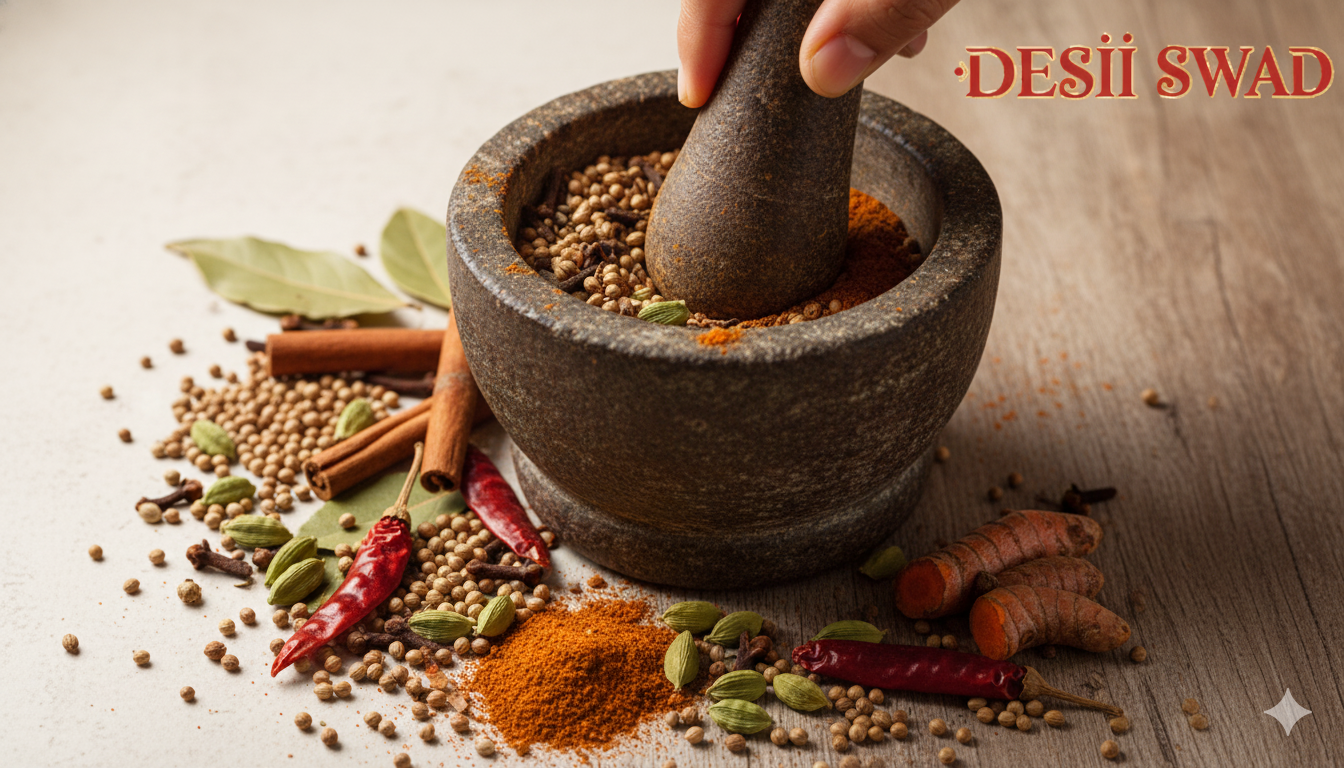
Whole spices have been the foundation of Indian cooking for centuries, long before powdered masalas became common in modern kitchens. The shift toward powdered spices happened mainly for convenience and speed, not because they were better in quality or taste. Desii Swad strongly believes in preserving the original form of spices because whole spices retain their natural oils, aroma, flavor complexity, and nutritional value far better than powdered alternatives. Understanding why whole spices matter helps consumers make smarter choices for both taste and health.
One of the biggest advantages of whole spices is aroma retention. Spices contain volatile essential oils that are responsible for their fragrance and flavor. When spices are ground into powder, these oils begin to evaporate rapidly due to increased surface area and exposure to air. This is why powdered masala often smells strong initially but loses its character quickly during cooking. Whole spices, on the other hand, protect these oils inside their natural structure. When added to hot oil or slow-cooked gravies, they release aroma gradually, creating depth and balance in the dish rather than an overpowering or flat taste.
Flavor development is another critical difference. Whole spices interact differently with heat and moisture. In Indian cooking, spices are often tempered in oil at the beginning or added whole during slow cooking. This process allows flavors to layer over time. Cinnamon releases warmth, cardamom adds sweetness, cloves bring intensity, and black pepper adds heat—all at different stages of cooking. Powdered masala releases everything at once, which may save time but sacrifices complexity. This is why dishes cooked with whole spices often taste richer and more refined.
Nutritional value is also significantly higher in whole spices. Many spices contain antioxidants, anti-inflammatory compounds, and digestive properties that support overall health. When spices are industrially ground, they are often exposed to heat and oxygen, which reduces their nutritional potency. Some powdered masalas also contain fillers, artificial colors, or preservatives that dilute their health benefits. Whole spices used by Desii Swad are processed minimally, ensuring that their natural nutrients remain intact and safe for regular consumption.
Shelf life and freshness are commonly misunderstood topics. While powdered masala appears to have a long shelf life, it often loses flavor long before its expiry date. Whole spices, when stored properly, stay aromatic and effective for much longer. This is because their natural structure protects them from rapid degradation. Desii Swad uses small-batch packaging to further enhance freshness, ensuring that customers receive spices closer to their natural peak rather than products that have sat in warehouses for months.
Another important factor is purity and transparency. Powdered masalas are easier to adulterate. Low-quality spices, husks, or artificial agents can be mixed in without being easily detected by consumers. Whole spices, however, are visually identifiable. Customers can see the size, color, and quality of each spice, making it harder for manufacturers to hide inferior ingredients. Desii Swad’s khada masala reflects this transparency by allowing customers to see exactly what they are using in their food.
Cooking control is also better with whole spices. Different dishes require different intensity levels. With whole spices, cooks can adjust quantity, remove spices midway, or crush them slightly to release more flavor. Powdered masala offers no such flexibility. Once added, it cannot be adjusted easily. This control is especially important in traditional Indian recipes where balance matters more than strength.
From a cultural perspective, whole spices represent authenticity. Indian cooking was never about shortcuts. It was about patience, understanding ingredients, and respecting food. Whole spices are deeply connected to regional cuisines, family recipes, and traditional techniques passed down through generations. Desii Swad embraces this philosophy by keeping spices in their original form and avoiding modern shortcuts that compromise authenticity.
Economically, whole spices can also be more cost-effective in the long run. Although powdered masala seems cheaper upfront, it often requires larger quantities to achieve flavor due to aroma loss. Whole spices are potent and last longer, making them a smarter investment for households that value quality.
In conclusion, whole spices are not outdated or inconvenient—they are simply honest. They offer better aroma, deeper flavor, higher nutrition, longer freshness, and greater transparency. Desii Swad’s commitment to khada masala is rooted in these facts, not trends. By choosing whole spices, consumers are not just improving their cooking; they are reconnecting with the true essence of Indian food. This is why Desii Swad continues to stand by tradition and deliver spices the way they were meant to be used.
