
The Majestic Chitrakote Waterfall – The Niagara of India
Nestled deep within the verdant heart of Chhattisgarh, the Chitrakote Waterfall stands as a magnificent emblem of nature’s power and serenity.
Known as the Niagara Falls of India, this breathtaking cascade on the Indravati River captivates every traveler with its majestic width, thunderous sound, and mesmerizing rainbow hues. It is not just a tourist destination; it’s an experience of awe, spirituality, and connection with the raw beauty of the natural world.
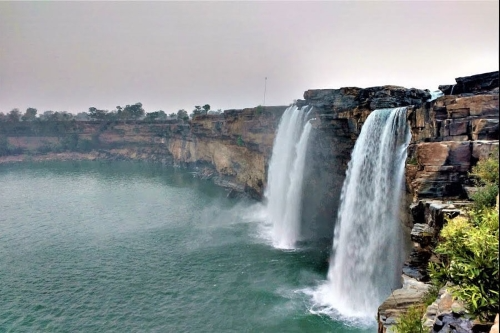
Located near Jagdalpur in the Bastar district, the Chitrakote Waterfall is the widest in India, spreading over an impressive 985 feet (300 meters) during the monsoon season. As the river plunges from a height of about 100 feet (30 meters), it forms a spectacular horseshoe-shaped fall that resembles the world-famous Niagara. But unlike Niagara’s modern buzz and infrastructure, Chitrakote retains a calm, almost mystical charm, drawing visitors seeking tranquility, photography, and spiritual rejuvenation.
A Natural Wonder in the Heart of Bastar
The story of Chitrakote begins with the Indravati River, a lifeline of southern Chhattisgarh. Flowing through thick forests, tribal hamlets, and rocky terrain, the river suddenly widens near the village of Chitrakote before plunging into a deep gorge — creating this majestic waterfall. The sight is both soothing and humbling, especially during the monsoon months (July to October), when the river swells, and the entire landscape transforms into a painter’s dream.
During the dry season, the waterfall splits into multiple smaller streams, each tumbling gracefully over the brownish-red rock cliffs. As the water dances over the stones, it reflects the sunlight, forming shimmering rainbows in the mist — a visual delight for photographers and nature lovers alike. The constant roar of water, the cool breeze, and the surrounding green forest create a meditative environment where one can lose track of time.
Historical and Mythological Significance
The beauty of Chitrakote is deeply intertwined with mythology and local beliefs. According to legends, the area around the waterfall is associated with the Ramayana era. It is believed that Lord Rama, along with Sita and Lakshmana, spent part of their exile in the Dandakaranya forest, which encompasses the Bastar region. Locals often refer to this sacred land as “Ram Van Gaman Path” — the route Lord Rama took during his exile.
This mythological connection adds a spiritual aura to Chitrakote. Many devotees visit the small Shiva shrine located near the falls to offer prayers and meditate amid the sound of rushing water. During special occasions like Mahashivratri, the place becomes vibrant with devotees, local fairs, and cultural performances that highlight the tribal heritage of Bastar.
The Changing Faces of Chitrakote
Chitrakote’s beauty lies in its ability to transform with the seasons. Each visit offers a new perspective:
-
Monsoon (July–October): The falls are at their grandest during this time. The sheer volume of water turns the Indravati into a mighty force, creating a continuous mist that rises high above the gorge. The sound of the water crashing below can be heard from far away, and rainbows frequently form in the misty spray.
-
Winter (November–February): The weather becomes cooler, and the flow of water is moderate. This is considered the best season for sightseeing and photography. The clear skies, calm breeze, and mild sunlight make it a pleasant experience for visitors.
-
Summer (March–June): Though the water level decreases, it reveals the red rocks beneath, creating a unique contrast of colors. During this period, boating activities often resume, allowing tourists to get close to the base of the waterfall — an unforgettable experience.
Each phase of the year paints the waterfall in a different light — from raging power to gentle elegance.
Adventure and Activities
Beyond its natural beauty, Chitrakote offers several activities and attractions for travelers. The boating experience is among the most popular. Local boatmen take visitors close to the base of the waterfall (during safe water levels), where you can feel the cool spray of mist on your face and hear the roaring echo reverberate through the cliffs.
For photography enthusiasts, every angle of Chitrakote provides a masterpiece. From the top viewpoint, one can capture the panoramic horseshoe curve of the falls, while from the base, the scale and force of the water become truly awe-inspiring.
Adventurers can explore the nearby forests, go on short treks, or interact with the indigenous tribal communities who live nearby. Their simple lifestyle, folk songs, handicrafts, and cuisine add a cultural richness to the entire experience.
Nearby attractions like Tirathgarh Waterfall, Kotumsar Cave, and Kanger Valley National Park also make Chitrakote part of a larger eco-tourism circuit that celebrates the natural heritage of Bastar.
The Magic of Dusk and Dawn
While Chitrakote is stunning at any time of day, the sunrise and sunset views are truly enchanting. In the early morning, the soft sunlight reflects on the misty curtain of water, turning it into liquid gold. By evening, as the sun dips below the horizon, the fall glows in a warm amber hue, casting long shadows on the cliffs.
To enhance its night-time beauty, the local tourism department has installed colorful LED lighting, which illuminates the waterfall after dusk. The play of lights against the cascading water creates a mesmerizing scene that feels almost otherworldly.