Why Human Rights Awareness Is Essential for a Just Society
Human rights form the backbone of a democratic and just society. They ensure that every individual, regardless of gender, caste, religion, or economic status, can live with dignity and access equal opportunities. However, rights are meaningful only when people are aware of them. A lack of awareness often leads to exploitation, injustice, and silence in the face of abuse.
In many communities, especially at the grassroots level, people face violations related to domestic violence, child labor, human trafficking, denial of healthcare, and lack of access to education. These issues persist not only because of weak enforcement but also because victims are unaware of their legal protections and available remedies. Human rights awareness bridges this gap between the law and the people.
Awareness programs help individuals understand their constitutional and legal rights, such as the right to life, equality before the law, freedom from exploitation, and access to justice. When people are informed, they are more confident in reporting violations, seeking help from authorities, and standing up against injustice. Awareness also empowers communities to hold institutions accountable and demand transparency and fairness.
Women and children particularly benefit from focused human rights education. Knowledge about laws related to domestic violence, child protection, education, and healthcare creates safer environments and encourages early intervention. Similarly, awareness about tools like the Right to Information (RTI) promotes transparency and reduces corruption, strengthening democratic values.
Human rights awareness is not about confrontation; it is about prevention and empowerment. Educated citizens contribute to peaceful conflict resolution, social harmony, and inclusive development. When people understand their duties along with their rights, societies become more responsible and resilient.
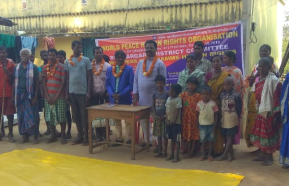
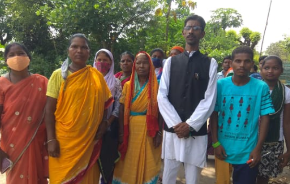
At the community level, continuous education, workshops, and outreach programs are essential for long-term change. Collaboration between civil society organizations, local authorities, and citizens plays a vital role in ensuring that awareness translates into action.
A just society begins with informed citizens. Human rights awareness is not optional—it is necessary for building a future based on equality, justice, and peace.