Empowering Cultural Artists Through Structured Support and National Outreach
Cultural artists form the backbone of India’s creative identity. From rural folk performers to classical actors trained in centuries-old traditions, these individuals carry forward techniques, stories, and expressions that shape collective memory. Yet despite their importance, many artists operate without formal systems of support. Irregular income, limited exposure, fragmented networks, and absence of organized representation prevent them from reaching broader audiences. Without structured backing, even the most dedicated performers struggle to sustain their practice over time.
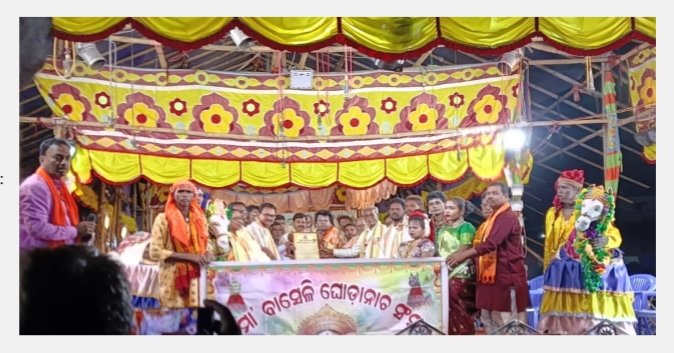
Empowerment in the cultural sector requires more than appreciation. It requires organization, visibility, and access to opportunities. When artists receive a platform where their work is documented, promoted, and publicly recognized, their impact multiplies. Structured initiatives provide coordination between performers, event organizers, cultural institutions, and communities. This coordination transforms isolated talent into a connected ecosystem. A national framework ensures that artists from different regions are not confined to local exposure but gain recognition across state and regional boundaries.
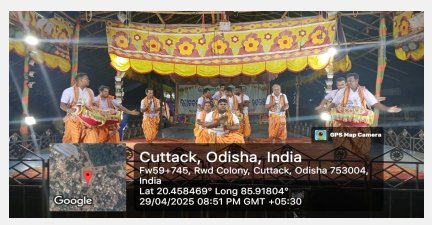
Workshops and cultural events play a direct role in strengthening artistic capability. Skill development sessions encourage knowledge sharing between experienced masters and emerging performers. These interactions sustain continuity within artistic traditions. Additionally, events create public engagement, bringing audiences closer to authentic cultural expressions rather than mass-produced commercial alternatives. Structured promotion campaigns also ensure that traditional forms are presented with dignity and professionalism, preserving authenticity while improving reach.
Representation is another key component of empowerment. Artists require advocacy at institutional and public levels to address challenges related to recognition, event access, and cultural policy awareness. A unified platform strengthens bargaining power and creates accountability within the ecosystem. When performers are collectively represented, their voice carries more weight than individual efforts. This structure prevents exploitation and promotes transparency within cultural initiatives.
Modern communication tools can be leveraged responsibly to expand outreach. Digital promotion, organized campaigns, and documented cultural narratives allow traditional art forms to adapt without losing essence. By blending traditional values with strategic promotion, cultural preservation becomes sustainable. Exposure should not mean dilution. It should mean expansion with integrity.
Sustainable empowerment demands consistency. Sporadic events or temporary campaigns do not create long-term impact. Continuous engagement, periodic cultural programs, structured networking, and transparent communication systems ensure durability. When artists feel supported and valued, their performance quality strengthens, and the community benefits from richer cultural experiences.
The future of Indian art depends on strong systems that protect contributors while expanding opportunities. Empowerment is not charity; it is strategic reinforcement of national identity. Structured support, organized outreach, and sustained engagement transform cultural talent into a resilient and visible force. Through disciplined planning and coordinated action, artists can continue preserving heritage while adapting to changing societal landscapes.