
Top Benefits of Fuel Monitoring for Modern Fleets
- Fuel costs are one of the largest operational expenses for businesses managing fleets, making fuel monitoring systems a critical component for cost optimization. By integrating fuel monitoring with GPS tracking, fleet managers can track fuel levels in real-time, detect theft or leakage, and ensure efficient fuel usage.

- Alerts for sudden fuel drops or unauthorized refueling events help prevent losses and improve accountability. Detailed consumption reports provide insights into vehicle performance, driver behavior, and route efficiency.
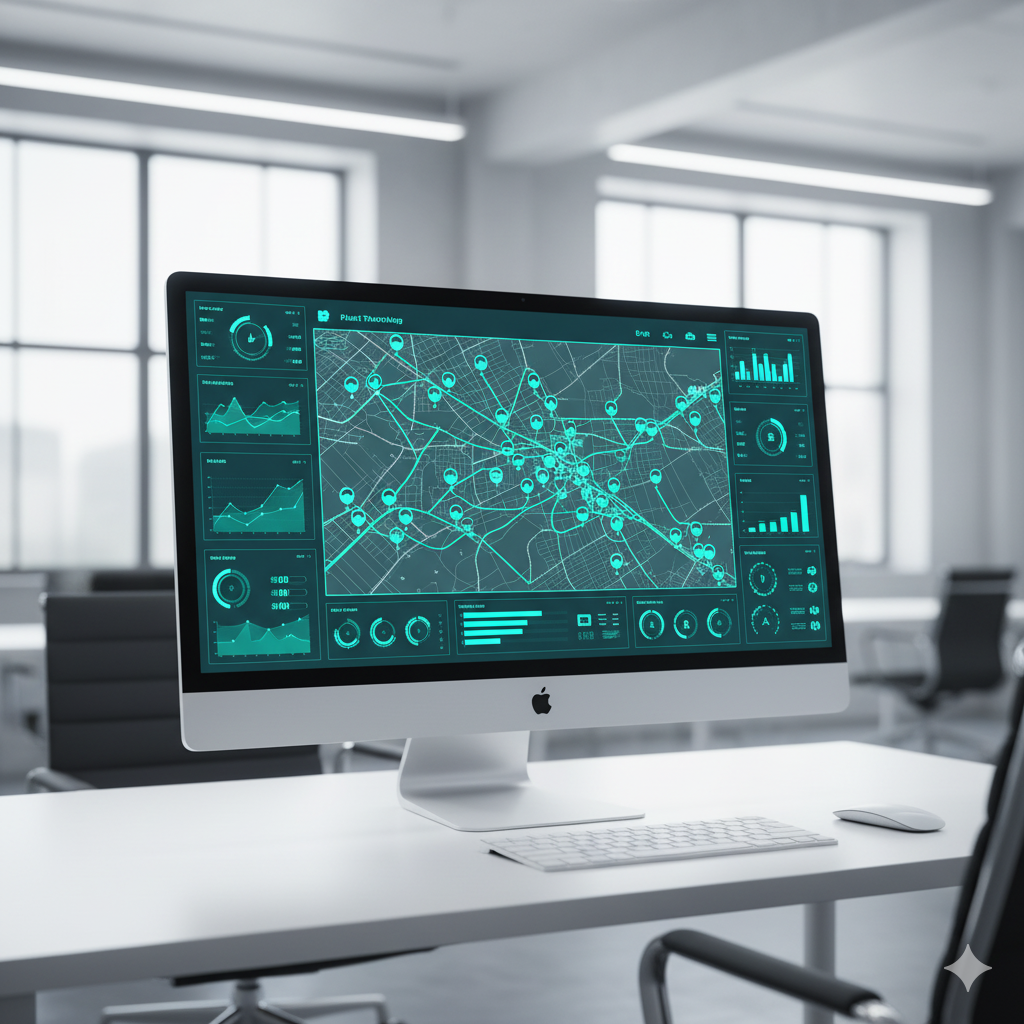
- Businesses can identify high-consumption vehicles, optimize routes, and implement better driving practices. Real-time dashboards allow managers to monitor fuel usage across all vehicles, reducing the need for manual checks and minimizing errors. Historical fuel data supports strategic planning, accurate budgeting, and future fuel procurement.
- Integration with driver behavior analytics helps companies promote fuel-efficient driving habits, reducing both costs and environmental impact. Fleet owners can monitor idle times, excessive acceleration, or unnecessary idling to optimize fuel efficiency further.
- Automated reporting saves time and ensures management always has accurate data for decision-making. Alerts can be configured for specific vehicles, driver groups, or fleet-wide monitoring, enabling proactive measures. Fuel monitoring improves overall operational transparency, builds trust, and supports compliance with company policies.
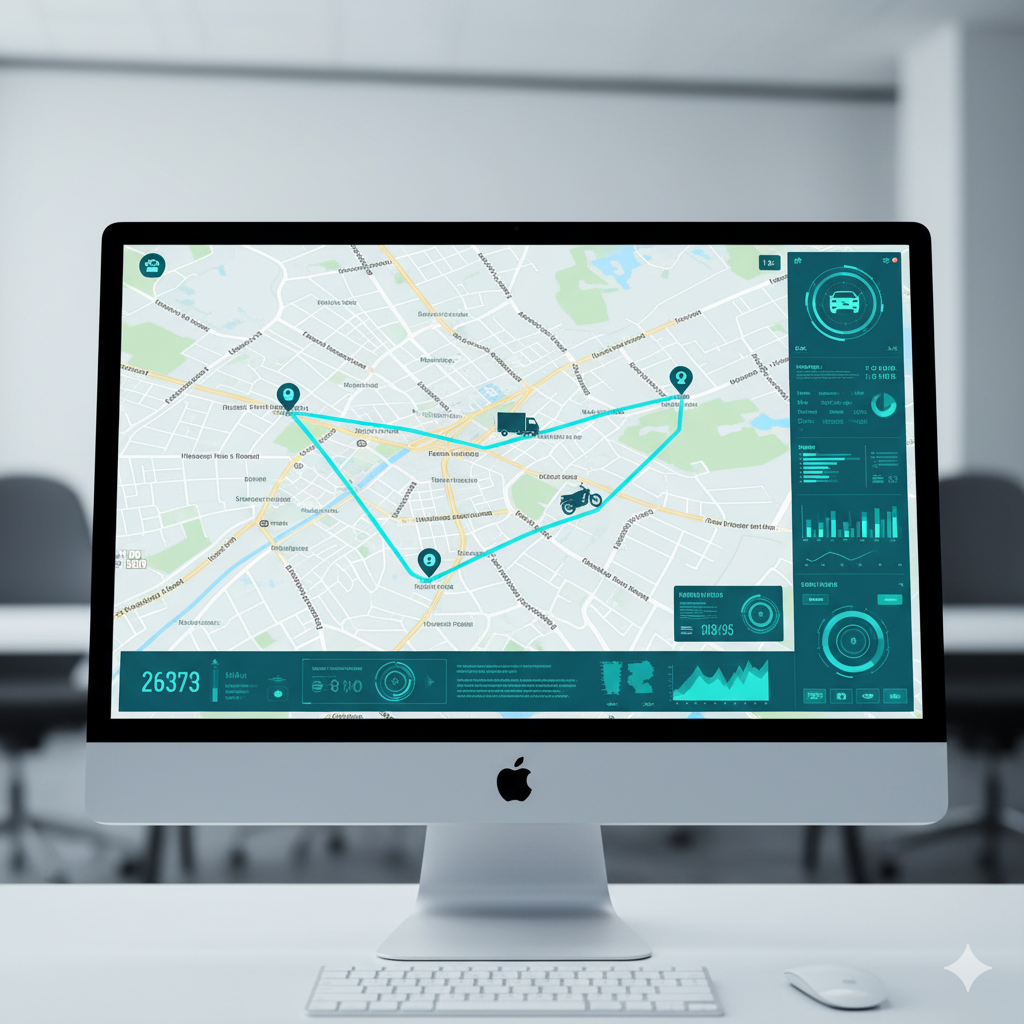
- By linking fuel consumption with GPS routes, businesses can assess route efficiency and reduce fuel wastage. The system is scalable and suitable for fleets of any size, from small businesses to large logistics companies. Enhanced visibility into fuel usage allows managers to identify potential savings opportunities, optimize vehicle utilization, and improve productivity.
- Combining GPS tracking and fuel monitoring provides a unified view of fleet operations, ensuring both vehicle safety and cost control. Mobile and web dashboards provide access anytime, anywhere, giving managers flexibility and peace of mind.
- Advanced analytics allow companies to make data-driven decisions and forecast operational needs accurately. Overall, implementing a fuel monitoring system enhances fleet efficiency, reduces costs, increases driver accountability, and ensures optimal performance for modern businesses relying on vehicles.