
How to Extend the Life of Your Home Appliances with Proper Care
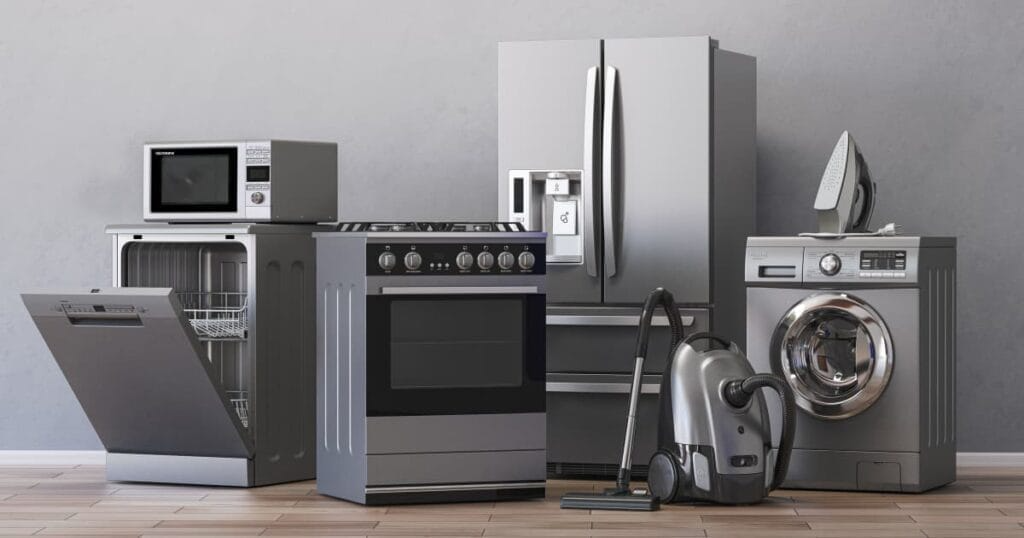
Home appliances have become an essential part of modern living, making everyday tasks faster, easier and more efficient. Whether it’s a refrigerator that keeps your food fresh, a washing machine that saves you hours of manual effort, a microwave that heats your meals within seconds, or an air conditioner that maintains indoor comfort, these appliances silently support your lifestyle.
However, most homeowners tend to overlook the importance of proper care, periodic maintenance and timely repairs, which directly affects the performance, durability and efficiency of these machines. Extending the lifespan of your home appliances is not only about saving money on early replacements but also about improving safety, reducing electricity consumption and maintaining smooth daily functioning. In this article, we will explore everything you need to know about keeping your appliances in the best possible condition — including professional tips, preventive measures, common mistakes, and best practices followed by expert technicians worldwide.
The first and most crucial factor in extending the lifespan of home appliances is understanding the manufacturer’s guidelines. Every appliance, whether it is LG, Whirlpool, Samsung, IFB or Bosch, comes with a manual that contains important instructions about usage, recommended settings, cleaning frequency, load limits and safety precautions. Most homeowners tend to ignore these manuals and continue using the appliance based on assumptions. This leads to issues such as overloading washing machines, incorrect temperature settings in refrigerators, using metal containers in microwaves, or running AC units without cleaning filters. Manufacturer guidelines are designed after in-depth testing, so following them ensures optimal performance and reduces unnecessary strain on internal components. If you want your appliances to last longer, the first step is learning how to use them the right way.
Regular cleaning is another essential aspect of appliance longevity, yet many people underestimate its importance. Dust, grease, moisture, debris and detergent residue can accumulate inside and around appliances, causing blockages, overheating, short circuits and reduced efficiency. For example, washing machines require regular drum cleaning to avoid mold formation, unpleasant smell and detergent build-up that can affect washing performance.
Refrigerators need periodic cleaning of coils, shelves and door gaskets to maintain cooling efficiency. Microwaves accumulate food splatters that can cause sparks, heating issues and bad odors. Similarly, AC units require thorough cleaning of filters and outdoor condensers to ensure proper airflow and cooling. When cleaning is ignored for long periods, minor issues turn into major faults — leading to expensive repairs or replacements. A simple routine cleaning schedule can increase the lifespan of your appliances by years.
Another major factor that affects appliance life is electricity fluctuation, which is a common issue in many Indian households. Voltage spikes can damage compressors, motors, PCBs and other sensitive components. Using a good-quality stabilizer for refrigerators, air conditioners and televisions can protect them from electrical surges. Similarly, using proper earthing and avoiding overloading power sockets can prevent short circuits and fire hazards. Many customers face repeated failures because their wiring or voltage supply is unstable, but they blame the appliance. A stable electrical environment ensures smooth and safe performance for all appliances.
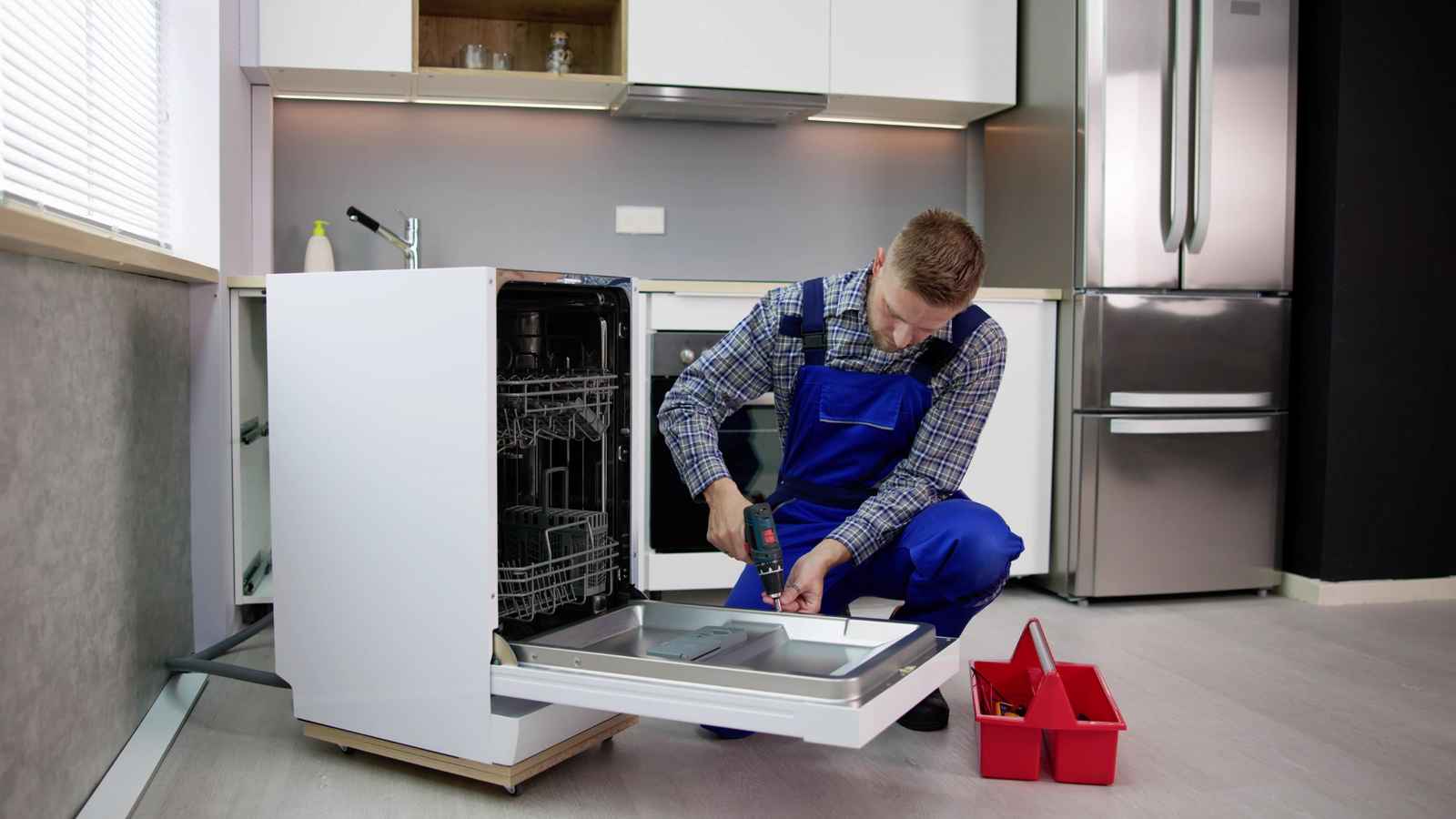
Preventive maintenance is one of the smartest ways to prolong the life of home appliances. Just like cars need regular servicing, appliances also benefit from routine check-ups by professional technicians. Preventive maintenance helps detect early signs of problems such as unusual noise, reduced cooling, heating issues, water leakage, vibration and performance drop. For example, periodic AC servicing improves cooling efficiency and reduces electricity consumption. Refrigerator coil cleaning improves compressor life and cooling ability.
Washing machine servicing ensures smooth drum rotation, prevents bearing failure and avoids motor overload. Microwave maintenance ensures proper heating and prevents internal sparking caused by carbon build-up. When a skilled technician examines your appliance regularly, they can identify minor issues before they turn into costly breakdowns. Investing in preventive maintenance is far cheaper than waiting for appliances to fail completely.
One of the biggest mistakes people make is delaying professional repair. Many users continue operating an appliance even when it shows clear signs of malfunction, such as strange sounds, excessive vibration, water leakage, reduced cooling, slow heating or foul smells. Ignoring these signals causes additional pressure on internal components, leading to a chain reaction of failures. A simple water leakage in a washing machine can damage the motor. Low cooling in a refrigerator can permanently harm the compressor. Poor airflow in AC units stresses the condenser coil.
When appliances are repaired at the right time, the total repair cost stays low and the appliance lasts significantly longer.
Using genuine spare parts is also extremely important for appliance longevity. Duplicate or low-quality parts may seem cheaper initially, but they have shorter life, poor performance and can damage other components. For example, a non-genuine refrigerator compressor may fail prematurely, leading to major cooling issues. A duplicate washing machine motor may not run at the correct RPM.
Non-original microwave magnetrons may cause uneven heating. Genuine spare parts ensure compatibility, durability, safety and proper functioning. This is why professional service centers always emphasize the use of original brand-approved parts.
Proper installation also plays a major role in extending appliance life. Incorrect installation of washing machines can lead to vibration issues, pipe leakage and premature motor damage. Improper leveling of refrigerators affects cooling efficiency and puts unnecessary load on compressors.
Wrong placement of microwaves can block ventilation, causing overheating. AC units installed without correct angle and pipe positioning face gas leakage and reduced cooling. Always ensure that appliances are installed by trained technicians who follow brand-specific guidelines.
Another important aspect is using appliances within recommended capacity limits. Overloading washing machines reduces washing quality and damages drum bearings. Overstuffing refrigerators blocks air circulation, leading to cooling problems. Running ACs in open rooms or with open doors strains the compressor. Using microwaves for heavy, oversized containers can affect the rotation motor. Appliances are designed with specific load limits, and exceeding them repeatedly reduces their lifespan drastically.
Environmental conditions also influence the durability of appliances. For example, refrigerators placed too close to walls or heat sources like direct sunlight or stovetops struggle to maintain cooling. AC units placed in dusty areas require frequent cleaning. Washing machines kept in damp environments develop rust and mold. Microwaves exposed to moisture or grease face electrical risks. Proper placement, ventilation and cleanliness help appliances work efficiently and last longer.
User habits also directly impact appliance life. Gentle handling, proper usage, timely cleaning, correct buttons and settings, and avoiding forced operations are essential. Many breakdowns occur due to forceful door closure, rough handling of knobs, using wrong detergents, or switching modes incorrectly. Educating household members on proper appliance usage can significantly reduce wear and tear.
Finally, trust a reliable service provider for all repair and maintenance needs. Experienced technicians understand the internal functioning of appliances better and ensure quality repair work. A trustworthy service provider always uses genuine parts, gives transparent pricing, and completes repairs professionally. Regular check-ups from trained technicians help prevent major breakdowns and improve appliance lifespan.
By following all these practical tips — correct usage, regular cleaning, voltage protection, preventive maintenance, timely repairs, genuine parts, proper installation, safe placement, capacity management, and professional service — you can extend the life of your home appliances significantly.
These small efforts not only save money but also ensure safety, efficiency and peace of mind. Home appliances are long-term investments, and with the right care, they can serve your household reliably for many years.