
he Role of Skill Development and Women Empowerment in Rural Growth
Rural development is directly connected to the capacity of individuals to earn, sustain livelihoods and participate actively in community progress. In regions like Bikaner, Rajasthan, growth cannot rely solely on traditional agriculture-based income systems. Sustainable development requires structured skill development programs and focused women empowerment initiatives supported by accountable and registered institutions.
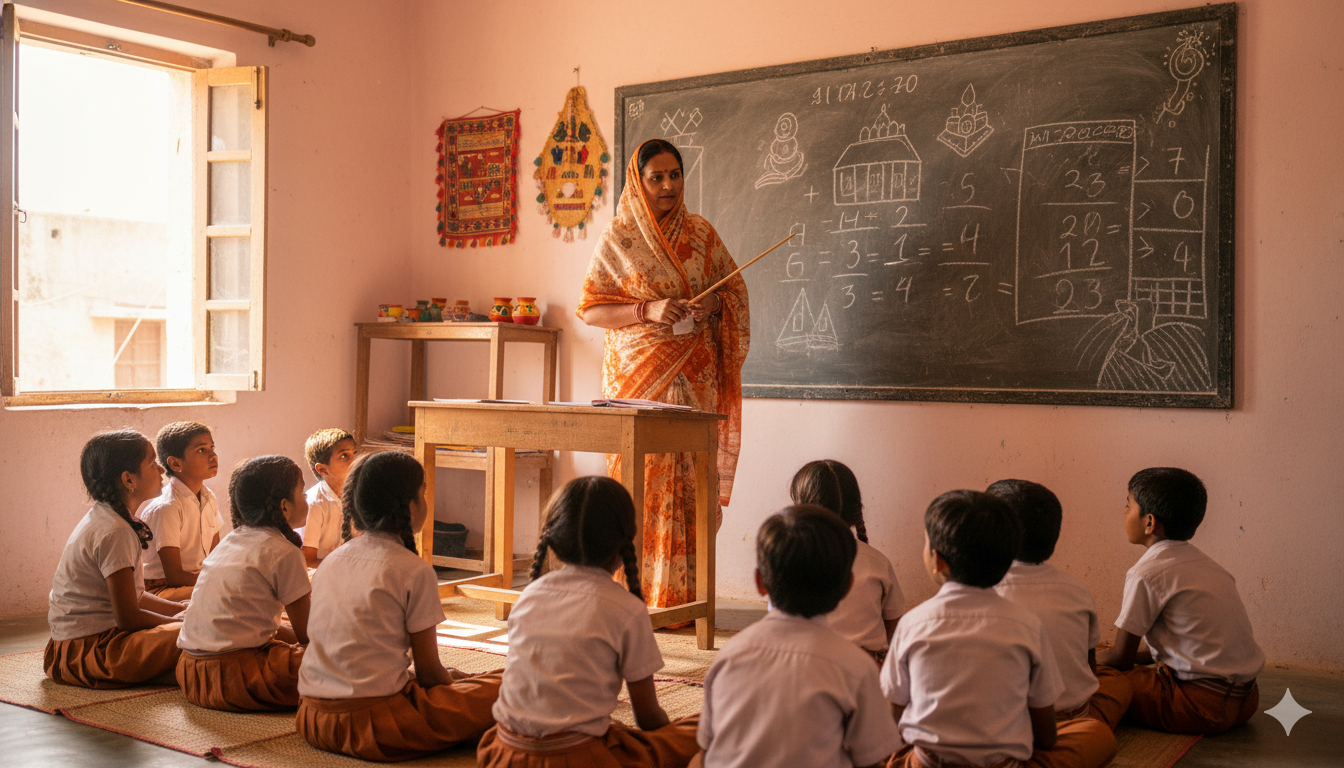
Skill development bridges the gap between education and employability. Formal schooling often provides theoretical knowledge but does not always prepare youth for practical workplace demands. Rural youth frequently encounter limited employment opportunities due to a lack of certified skills, technical exposure or soft skill training. Introducing structured vocational programs and employability workshops creates alternative income pathways and improves confidence.
Digital literacy has become a fundamental skill in the modern economy. From online applications to government schemes and job portals, technology is integrated into daily operations. Rural youth without basic digital training struggle in competitive environments. Skill development initiatives that include computer basics, digital communication and internet awareness significantly enhance long-term employability and independence.
Women empowerment plays an equally critical role in rural progress. In many rural communities, women contribute significantly to family responsibilities yet lack access to skill-building opportunities that generate independent income. Structured training programs—whether vocational, educational or entrepreneurial—can improve financial stability and overall household resilience.
Empowering women impacts multiple dimensions of development. When women gain access to education and skill training, family health, child education and savings patterns improve. Data across rural development models consistently shows that households where women participate in income generation demonstrate higher educational continuity for children. Therefore, women empowerment initiatives directly influence long-term social progress.
Financial literacy awareness is another crucial component. Even basic understanding of savings, budgeting and responsible borrowing can prevent families from falling into unstable financial cycles. Structured community sessions on financial planning and responsible resource management strengthen economic stability at the grassroots level.
Transparency and compliance significantly influence the credibility of empowerment programs. Organizations operating under Section 8 registration with 12A, 80G and CSR approval build structured governance systems. These frameworks ensure proper documentation, systematic planning and measurable execution of welfare initiatives. Corporate partners are more likely to collaborate when entities maintain statutory compliance and operational clarity.
Community engagement remains vital. Skill development cannot succeed without understanding local demands. Training modules must align with regional economic patterns and realistic employment opportunities. Overly theoretical training without local market relevance often fails. Assessment-based planning increases success probability and ensures measurable outcomes.
Mentorship and follow-up mechanisms are equally important. Short-term training without monitoring often produces limited results. Structured follow-up sessions, evaluation of outcomes and ongoing guidance increase the practical value of training programs. Sustainable transformation requires longer-term support structures rather than one-time interventions.
Youth empowerment and women-led initiatives can also contribute to social awareness development. Educated and financially stable individuals are more likely to participate in community improvement programs, awareness campaigns and collaborative development models. This creates a multiplier effect within rural regions.
CSR collaboration strengthens impact scale. When registered organizations partner with corporate CSR divisions, resources expand and program reach widens. Properly documented implementation reports and impact analysis maintain long-term partnerships and increase future funding opportunities. Legal compliance frameworks thus act as operational stabilizers rather than procedural obligations.
Rural growth strategies must therefore integrate education, skill training and empowerment into a unified structure. Isolated interventions generate partial impact; integrated development models deliver stronger results. Structured governance, transparent financial mechanisms and continuous assessment ensure credibility and sustainability.
In Rajasthan’s rural districts, structured skill development and women empowerment programs offer measurable pathways toward economic resilience. When education support aligns with employability training and financial literacy awareness, communities gradually reduce dependency on unstable income sources.
Sustainable growth requires disciplined planning, legal compliance, community participation and measurable execution. Empowerment is not achieved through slogans; it is built through structured, documented and accountable action.