
Strengthening Rural Education Systems in Rajasthan
Rural education plays a decisive role in shaping the long-term social and economic development of any region. In Rajasthan, particularly in districts such as Bikaner, access to structured, quality education remains uneven. While urban institutions continue to expand infrastructure and opportunities, many rural students still face limited facilities, financial barriers and a lack of academic guidance. Strengthening rural education systems requires coordinated efforts, consistent monitoring and legally compliant institutional frameworks that ensure transparency and sustainability.
SHRI NATH JI SCHOOL FOUNDATION operates as a Section 8 registered entity with 12A, 80G and CSR registration, creating a lawful and accountable structure for education-focused initiatives. Legal registration is not a formality; it establishes credibility, encourages responsible financial management and allows structured collaboration with donors and CSR partners. In rural development, compliance and documentation are essential for long-term impact.
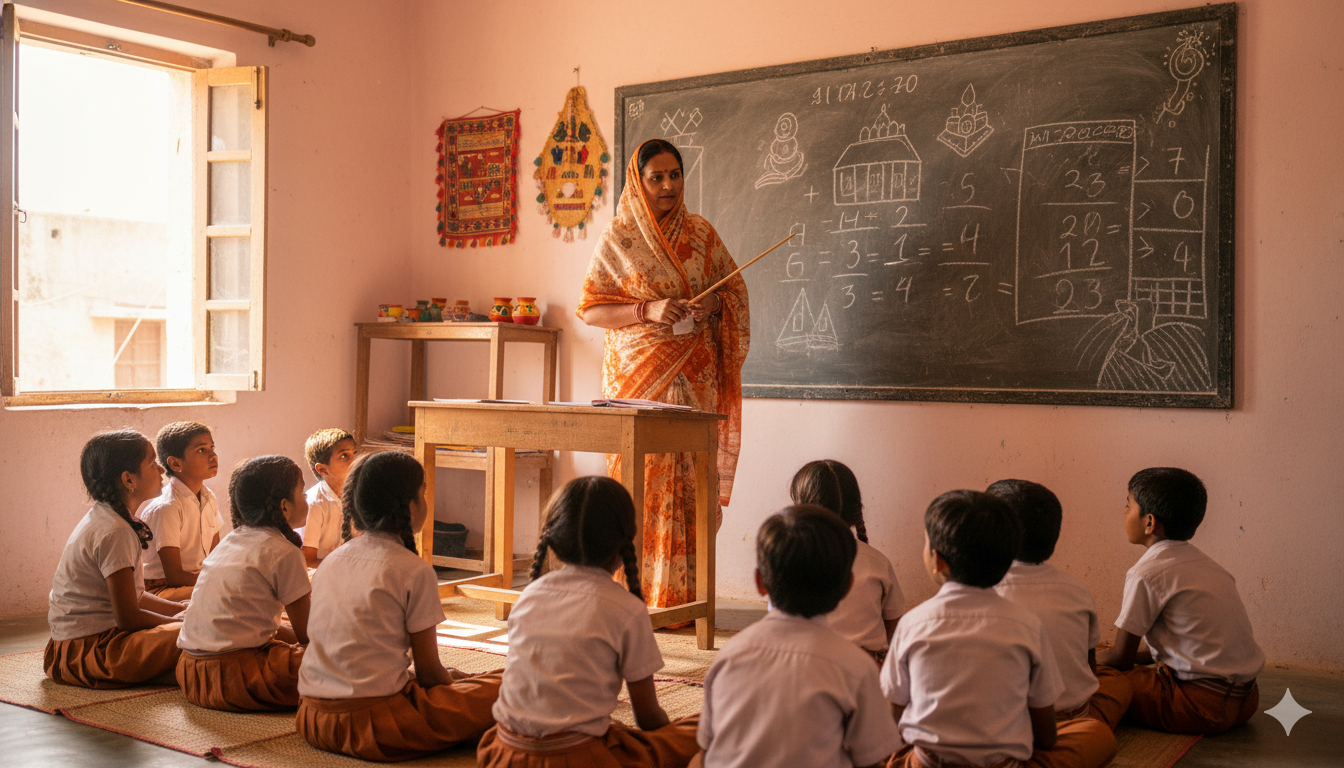
One of the primary challenges in rural education is the shortage of supplementary academic support. Many families in rural Bikaner rely on agriculture or daily-wage work, leaving little scope for private tuition or academic mentoring. Students often depend entirely on government schools without additional learning reinforcement. Academic assistance programs, study material distribution and structured mentoring can significantly reduce dropout rates.
Scholarship and financial aid mechanisms are equally critical. Even when a student performs well academically, the cost of higher education can become a barrier. Examination fees, transportation expenses, books and admission charges create cumulative financial pressure. Structured scholarship programs ensure that talented students do not discontinue education due to monetary limitations. Transparent scholarship allocation processes, supported by documented eligibility criteria, create trust among families and donors.
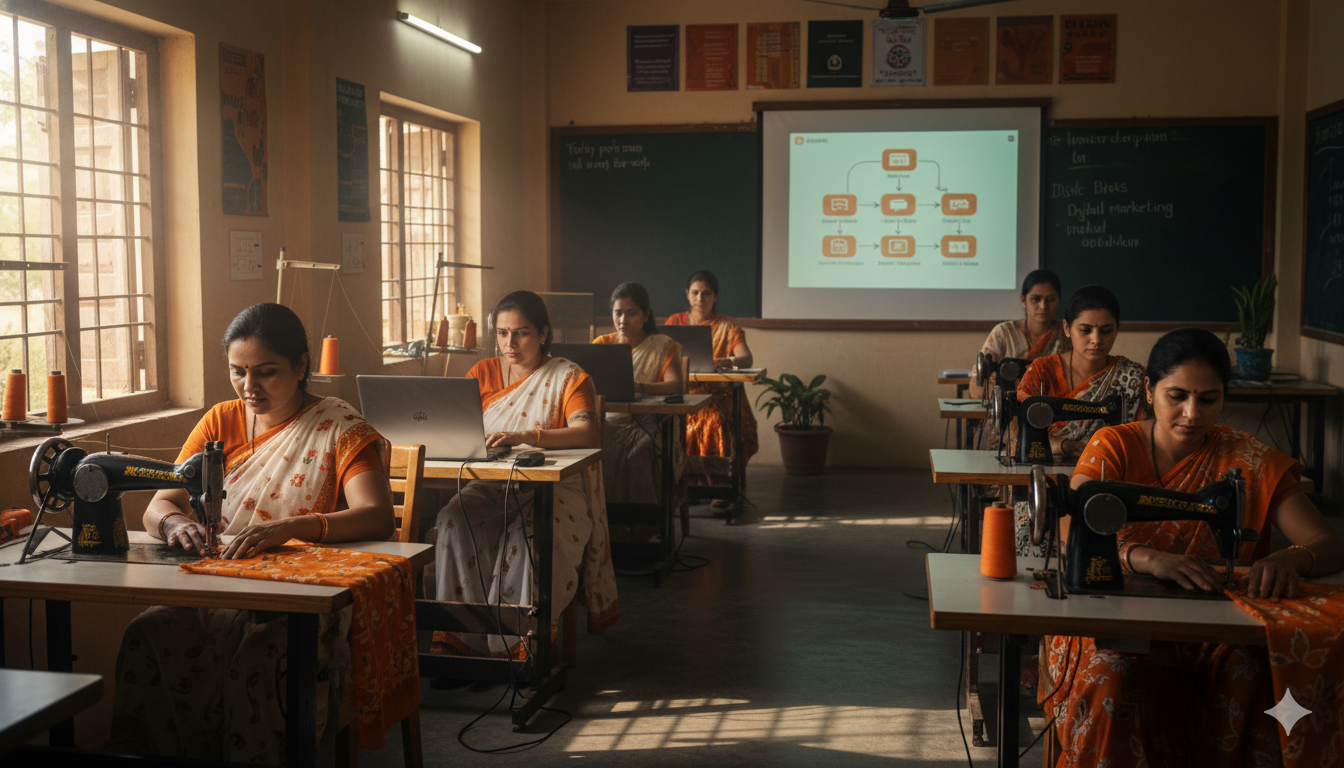
Digital literacy is another area demanding attention. The modern education ecosystem increasingly depends on digital platforms, online applications and technology-driven learning methods. Rural students without digital exposure face disadvantages in competitive exams, higher education admissions and employment opportunities. Introducing digital literacy training and basic computer skill development improves their confidence and long-term employability.
Skill development initiatives complement formal education. While academic qualifications are important, vocational training and employability skills increase real-world readiness. Workshops focusing on communication skills, technical basics and self-employment awareness can provide alternative pathways for youth who may not pursue traditional academic routes. Rural empowerment is not limited to classroom development; it must extend to practical livelihood preparation.
Community participation strengthens education initiatives. Parents, local volunteers and educators must be part of awareness sessions that highlight the importance of continued schooling, especially for girls. Gender disparity in education still exists in certain rural pockets, and consistent engagement helps shift long-term perspectives. Women empowerment programs integrated with educational planning create broader societal stability.
Accountability frameworks ensure sustained trust. Detailed financial records, structured planning and periodic evaluation create measurable progress indicators. Registered NGOs that maintain compliance with statutory frameworks such as 12A and 80G reinforce donor confidence. CSR registration further expands partnership opportunities by allowing corporations to implement social responsibility projects with verified entities.
Infrastructure enhancement is also essential. While large-scale infrastructure projects require government involvement, support through study kits, classroom material and minor facility improvements can create noticeable improvements in learning environments. Incremental development strategies are practical and sustainable in rural zones.
Monitoring and evaluation models help quantify success. Tracking the number of students supported, scholarships distributed, training sessions conducted and communities reached allows structured reporting. Measurable impact strengthens credibility and attracts responsible funding.
Long-term transformation demands consistency. Sporadic interventions rarely produce deep structural change. Continuous support, multi-year planning and local engagement are necessary to build resilience within rural education ecosystems. When institutions maintain compliance, financial discipline and clear objectives, they become reliable instruments for regional development.
In Rajasthan, especially in the Bikaner region, education-focused social initiatives can gradually improve literacy rates, academic progression and employment readiness. The integration of education support programs, scholarship frameworks and skill-building modules offers a multi-dimensional development model.
Structured, legally compliant and community-driven approaches remain the most reliable pathway toward strengthening rural education systems. Sustainable improvement does not rely on temporary campaigns; it depends on institutional integrity, consistent execution and measurable outcomes.